Crypto has always been full of contradictions. On one hand, it’s about freedom, decentralization, community vibes, a digital wild west where jokes become wealth. Then there’s the sterile side: smart contracts, consensus rules, and the unforgiving logic hardwired into every blockchain. At first, they were pure chaos, Shiba, Doge, Floki, tokens started as gags and exploded into multi-billion-dollar phenomena. But if we’re being honest, most of these projects were thin on purpose, thinner on tech. Their value lived in Reddit threads, tweets, and TikToks. Not in lines of code.
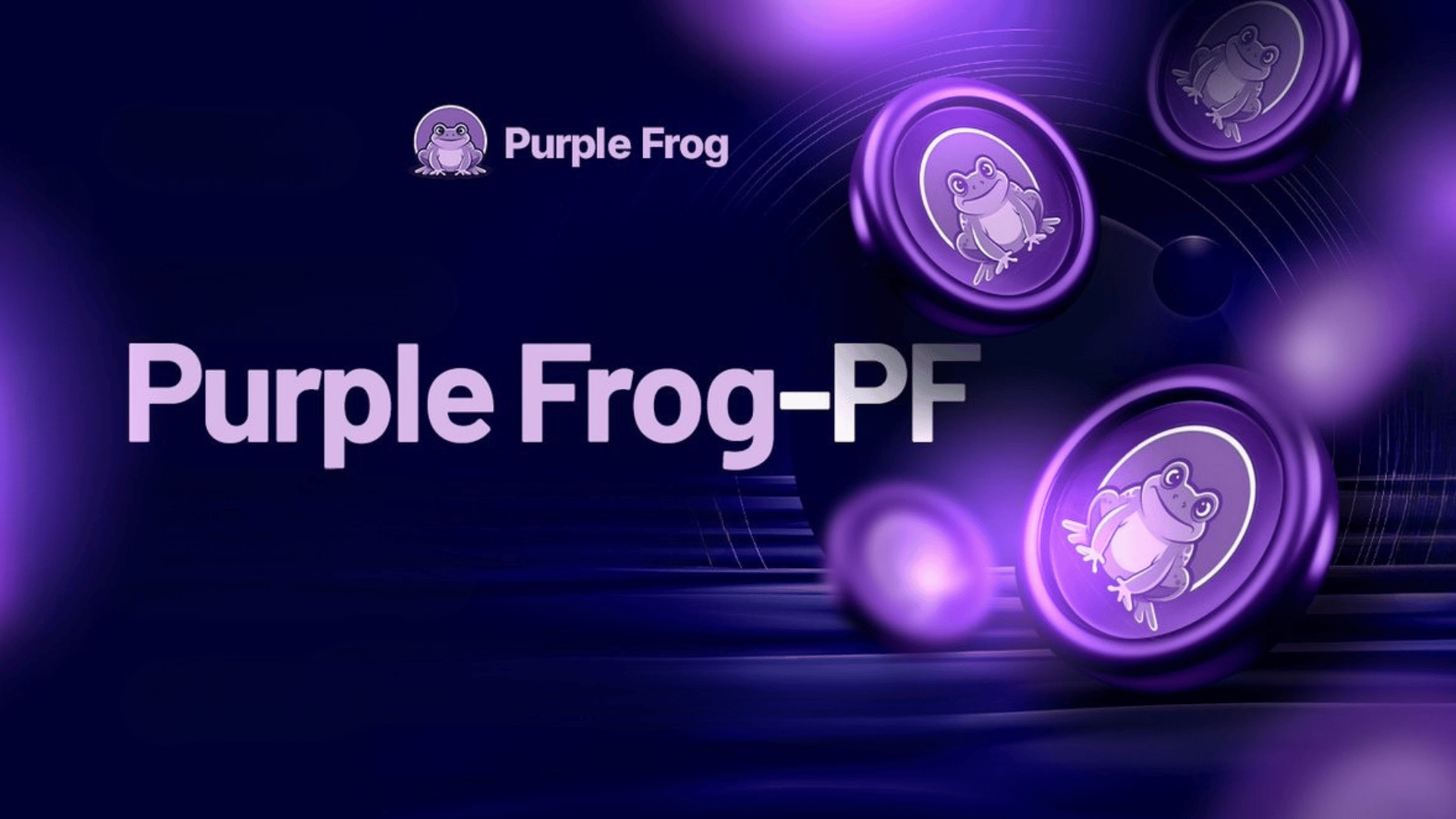
Now, PF arrives to challenge that premise, by giving memes a mind of their own.
Billed as “The Meme That Thinks,” PF isn’t just another memecoin chasing virality. It’s positioning itself as a step forward: a community-savvy token built on artificial intelligence, designed to react, adapt, and evolve, like the best memes do, but with a technological backbone behind the laughs.
It’s weird, a little absurd… but it also makes sense. Today’s internet culture is fast, unpredictable, and constantly shaped by algorithm-driven platforms. So why not build a crypto project that speaks the same digital language, one that jokes, learns, and earns at the same time?
This is the world PF wants to enter. Let’s find out how it plans to pull this off.
The Birth of a Thinking Meme
Unlike the typical memecoin born from subreddits and Discord polls, PF didn’t just emerge as a punchline, it began as a question. What if memes weren’t just assets to speculate on, but autonomous digital creatures, learning from culture, reacting to trends, and influencing their own economy?
This idea came from a small group of developers and designers interested in two seemingly incompatible trends: the meme-fueled community investing of 2021, and the AI innovation boom of early 2023. Between GPTs writing text, Midjourney creating art, and bots running trades, AI became the new electricity. They wondered, *what if a meme ran on it?*
PF was their answer. Not a coin, not a chatbot, but something in-between. Something that could tap into culture the way memes do, but respond to it like AI systems already are. In their vision, PF would think like a meme and act like an algorithm.
Where AI Fits In
Of course, saying a token is “AI-powered” is trendy. But PF doesn’t just throw in AI buzzwords. Their goal is deeper, almost philosophical: to blend behavioral intelligence with cryptographic assets.
Under the hood, PF uses AI in two major ways:
- Content Awareness: PF’s AI monitors meme trends across social platforms, Twitter, Reddit, TikTok, digesting what’s hot and what’s not.
- Community Signals: The AI tracks sentiment and participation in real time, helping tailor PF’s outreach, tweaks, and even treasury allocation based on what the crowd is doing.
The result? A coin that doesn’t just ride hype, but senses it, interprets it, and tries to adapt. As if it were in on the joke.
Memes Plus AI: Not Just a Gimmick
It’s one thing to automate meme detection. It’s another to understand the rhythm of meme culture and act accordingly. That’s where PF wants to push boundaries.
Its creators believe that memes, constantly morphing, spreading, remixing, are themselves a kind of organic intelligence. Say a wave of memes about AI music breaks out, PF doesn’t wait. It picks up on the trend and launches an NFT drop just a few hours later, not because someone pressed a button, but because the system sensed it coming. As PF grows, the idea is that it becomes an *agent* inside internet culture, not just a passenger.
What Powers It All
Now for the technical side, which, surprisingly, doesn’t read like an afterthought. Governance, staking, rewards, and NFT minting all run through smart contracts that can adapt as the system evolves. It’s something else entirely: a meme-native AI crypto layer.
How the Money Circulates
Of course, good tech means little without good economics. The PF token itself (symbol: PF) is designed to loop utility, virality, and incentives into one cohesive flow.
Here’s how the tokenomics roughly play out:
- Fixed Supply: The total supply of PF is capped, adding long-term scarcity.
- AI-Driven Burns: The system burns a fraction of tokens during viral spikes, based on AI sentiment detection thresholds.
- Staking with Feedback: Users can stake PF not just to earn yield, but to signal preference on cultural directions, with AI weighing that input in strategic decisions.
- Creative Bounties: Meme creators, remixers, and cultural contributors earn PF through on-chain proofs and AI-verified submissions.
This isn’t just a speculation coin, it’s a culture coin, where activity, creativity, and alignment with internet energy determine who gets rewarded.
What PF Can Actually Do
It’s one thing to build a smart, self-aware meme coin. It’s another to give it jobs. That’s where PF starts to get fun.
Because PF isn’t just a token, it’s a programmable cultural unit. Its AI layer, meme fluency, and crypto infrastructure allow it to plug into real use cases that blend creativity, data, and incentives. Here’s what that looks like in practice:
- AI-Powered Meme Campaigns: Brands, creators, or even community members can launch meme challenges where PF’s AI helps detect traction, reward virality, and amplify top submissions, all in real time.
- Reactive NFTs: PF can mint NFTs that evolve based on meme trends. A frog image today might shift into a robot-dog hybrid tomorrow if the AI senses a cultural pivot.
- Creator Bounties: Artists, remixers, and meme lords can submit content for bounties, with PF’s system verifying originality, engagement, and relevance, then distributing rewards accordingly.
- Culture-Sensitive Staking: Stakers don’t just lock up tokens for yield, they send signals. When thousands prefer a certain meme format, that signal loops into the AI’s behavior, triggering campaigns, burns, or treasury moves.
In short, PF becomes a sort of cultural middleware, translating internet energy into crypto-native actions.
The Growing Meme Hive
Every good meme needs a crowd. PF’s community isn’t just along for the ride, it’s the engine. That’s by design.
The project’s early growth leaned heavily on Discord channels, Telegram threads, and Twitter spaces where people debated memes as if they were market signals. What made PF special was how fast the community shifted from simply holding to actually shaping it together. Creator hackathons with rewards in PF tokens. A “Meme Oracle” role where select users help the AI calibrate sentiment. It’s all part of a larger experiment: what happens when a coin’s intelligence is shaped by its crowd?
Beyond the digital, PF has even flirted with physical activations, QR-coded posters in random cities, AI-generated music drops, and interactive Twitch streams powered by token votes. The ecosystem is weird, but it’s alive.
How It Stays Honest
When a project claims to be “thinking,” people naturally ask: *can we see inside its head?* With PF, that’s the point.
The team has made transparency a core pillar. The AI models used are built on top of open-source LLMs, with regular updates and release notes. Code repositories are public. Smart contracts are audited, and changes go through a community proposal process.
But governance isn’t just about voting on upgrades. PF introduces a new layer: *cultural governance.* That means users don’t vote on code alone, they vote on tone, themes, and meme directions. Through staking and sentiment input, the community helps guide the AI’s behavior, creating a kind of collective taste engine.
Security-wise, PF’s infrastructure runs across a modular L2 stack with multi-sig wallets, circuit breakers, and AI-based anomaly detection that alerts the devs if unusual transactions spike. It’s not perfect, but it’s paranoid, in the right way.
Where It’s Going
PF’s roadmap isn’t a rigid checklist, it’s more like a mood board with deadlines. That’s intentional. Q2–Q3 2024: Launch of Meme Exchange Beta, where users can trade meme concepts as NFTs with metadata that changes over time. Make memes, remix what’s already out there, or spin up your own side project built on PF’s open API. If it’s good, the AI will notice, and so will the treasury.
Even lurking helps. Every click, post, meme, and share feeds the machine. PF isn’t powered by servers, it’s powered by attention.
The Loop Ahead
PF is weird. That’s its strength. It’s a meme that thinks, a token that reacts, a project that blurs the line between culture and code.
In a world flooded with dead-end coins and hype cycles, PF represents something different: a crypto system that listens, learns, and laughs with us. One that doesn’t just ride trends, but becomes part of how they form.
Whether it succeeds wildly or fizzles into an internet footnote, PF is a sign of where things are headed. AI and memes, once seen as jokes or threats, are now infrastructure. And PF is trying to wire them together.
Maybe that’s the next frontier, not smarter machines or funnier memes, but both at once. A culture that codes itself.
How to buy Purple Frog (PF)?
You can usually buy this token on major centralized or decentralized exchanges that list it. Always rely on the project’s official channels and trusted aggregators (such as CoinMarketCap or CoinGecko) to find the updated list of markets, and double-check the contract address before trading.